In our last post, we explored what cognition is and focused on one of its key building blocks: attention. We learned that after a brain injury—such as a brain injury or stroke— or decline in cognitive function—such as mild cognitive decline experienced later in life—cognitive functions like attention often become impaired and may require rehabilitation.

In this post, we’ll take a closer look at memory, another vital area of cognition that’s commonly affected following a brain injury or during cognitive decline. Memory is central to everything we do—whether it’s remembering where we parked the car, recognizing a familiar face, or following a conversation. When memory is disrupted, it can deeply affect daily life for both the individual and those who care for them.
Let’s break down what memory is, how it works, and what happens when it doesn’t function as it should.
What Is Memory?
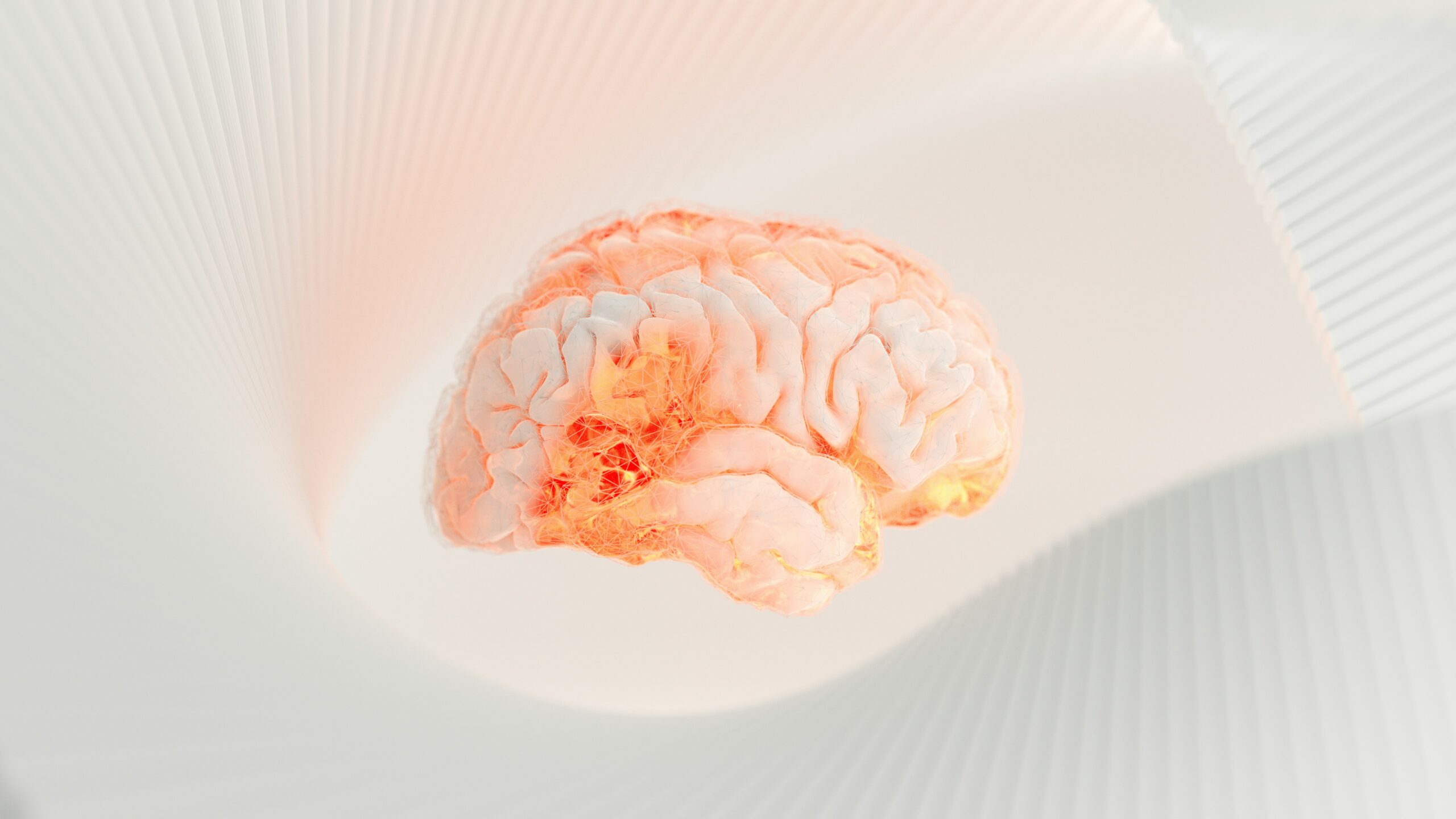
Memory is more than just recalling facts or remembering events. It’s a continuous process that helps us learn new things, retain that information, and use it later when we need it.
Scientists and clinicians often describe memory as a system with four main parts:
- Attention
- Encoding
- Storage
- Retrieval
Let’s take a look at each step in simple terms:
1. Attention: The First Step Toward Remembering
Before we can remember anything, we have to notice it. That’s where attention comes in. Attention helps us focus on important information, like a friend telling us their phone number or a teacher giving instructions.
If attention is impaired (as it often is after brain injury, stroke, or during cognitive decline), it becomes harder for the brain to take in and remember new information.
2. Encoding: Making Sense of Information
Once we’re paying attention, the brain starts to encode the information—that means it processes and gives meaning to what we’re experiencing.
There are different ways we encode information:
- Visual encoding – remembering how something looks
- Auditory encoding – remembering what something sounds like
- Tactile encoding – remembering through touch
- Semantic encoding – remembering what something means
At this stage, the brain begins to turn short-term experiences into something that can be remembered longer. This is also sometimes called consolidation.
Working Memory: A Crucial Piece of the Puzzle
Working memory is like a mental notepad that helps us hold onto information just long enough to do something with it.
For example, when someone tells you a phone number, and you repeat it to yourself while dialing—that’s your working memory at work.
Working memory has three main parts:
- The central executive – directs attention to important things
- The visuospatial sketchpad – handles images and spatial information
The phonological loop – handles spoken and written words (like repeating a phone number in your head)
3. Storage: Keeping Memories Safe
Once information is encoded, it gets stored. Memory storage has two main types:
- Short-term memory – holds a small amount of information (like 5–9 items) for a brief time (around 15–30 seconds)
- Long-term memory – holds information for hours, days, or even a lifetime
With practice and repetition, information in short-term memory can be transferred to long-term memory.
4. Retrieval: Bringing Information Back
Retrieval is the process of recalling a memory, like remembering a loved one’s birthday or how to make your favorite recipe.
There are different ways we retrieve memories:
- Free recall – pulling information from memory without help
- Cued recall – remembering something when given a hint or clue
- Recognition – identifying something familiar from a list of options
Sometimes, memories are there but feel “stuck.” This is called retrieval failure, and it can happen for many reasons: the memory wasn’t encoded well in the first place, or we don’t have the right cues to bring it back.
Why This Matters for Recovery

After a brain injury, stroke, or as the result of cognitive decline, memory problems can affect every part of life—school, work, conversations, and relationships. The good news is that cognitive rehabilitation can help. Therapists work with individuals to strengthen memory skills or develop strategies to work around memory challenges, like using visual aids, written reminders, or structured routines.
In the next post, we’ll explore other cognitive areas like executive function, which helps with planning, decision-making, and controlling impulses.
If you or a loved one is struggling with memory changes after an injury or during cognitive decline, know that you are not alone, and there is help. Understanding how memory works is the first step toward supporting recovery and improving quality of life.
Ready to Take the Next Step?
If you or someone you care for is experiencing memory difficulties after a brain injury, stroke, or during cognitive decline, help is available. Dr. Michael Fraas specializes in cognitive rehabilitation and offers personalized therapy to support recovery and improve day-to-day function.
To schedule a consultation with Dr. Fraas or learn more about cognitive rehabilitation services, contact him by email at brainspeak.seattle@gmail.com or by phone at (603) 520-4874, and take the first step toward rebuilding cognitive strength and confidence.
You don’t have to navigate this journey alone—support, guidance, and evidence-based care are just a call or click away.